
Featured speakers
The following speakers have been confirmed.
Applications are Now Open Until July 15th
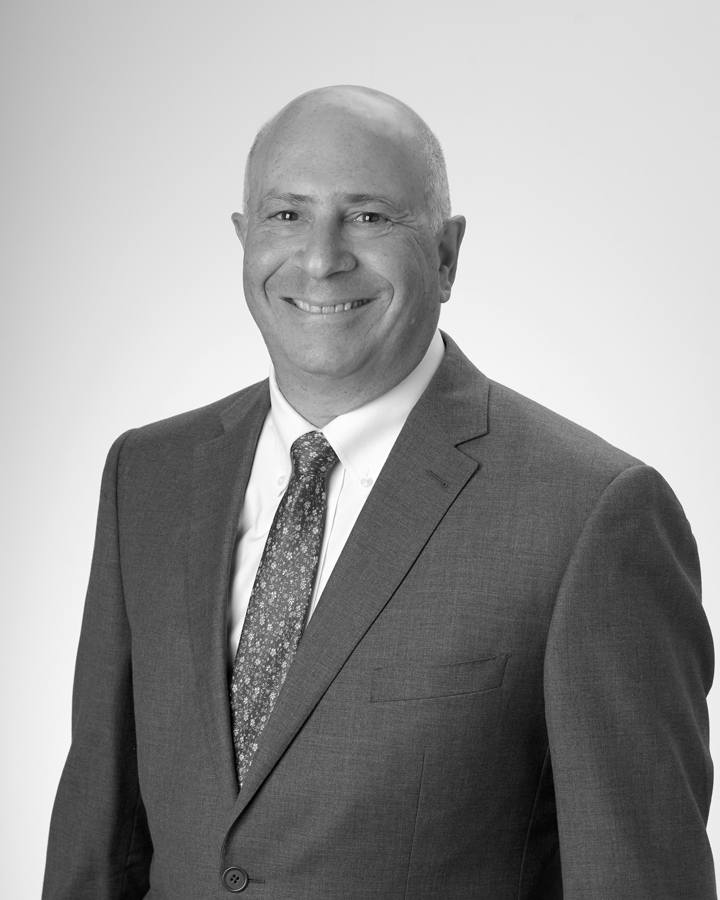
Michael Winter
Dr. Michael Winter is the Chief Scientist at RTX, the largest Aerospace and defense company, (merger of Raytheon Company and United Technologies Corporation) where he shapes the company’s cross-enterprise technology strategy and accelerates innovation across aerospace and defense.
What 45 years taught me about doing it wrong
His father told him early: machines don’t break, parts break. It took 45 years to understand what that really meant. Chief Scientific Officer at RTX, Michael Winter draws on aerospace, technology, medicine, and the leadership of large organizations to make one unsettling case: the most common failure in innovation isn’t bad science or lack of resources. It’s smart people asking questions that are too small. He shows why the breakthrough is never the end of the story, and why the question that separates great innovators from brilliant failures is not “did we solve it?” but “did we solve the right thing?
BIO
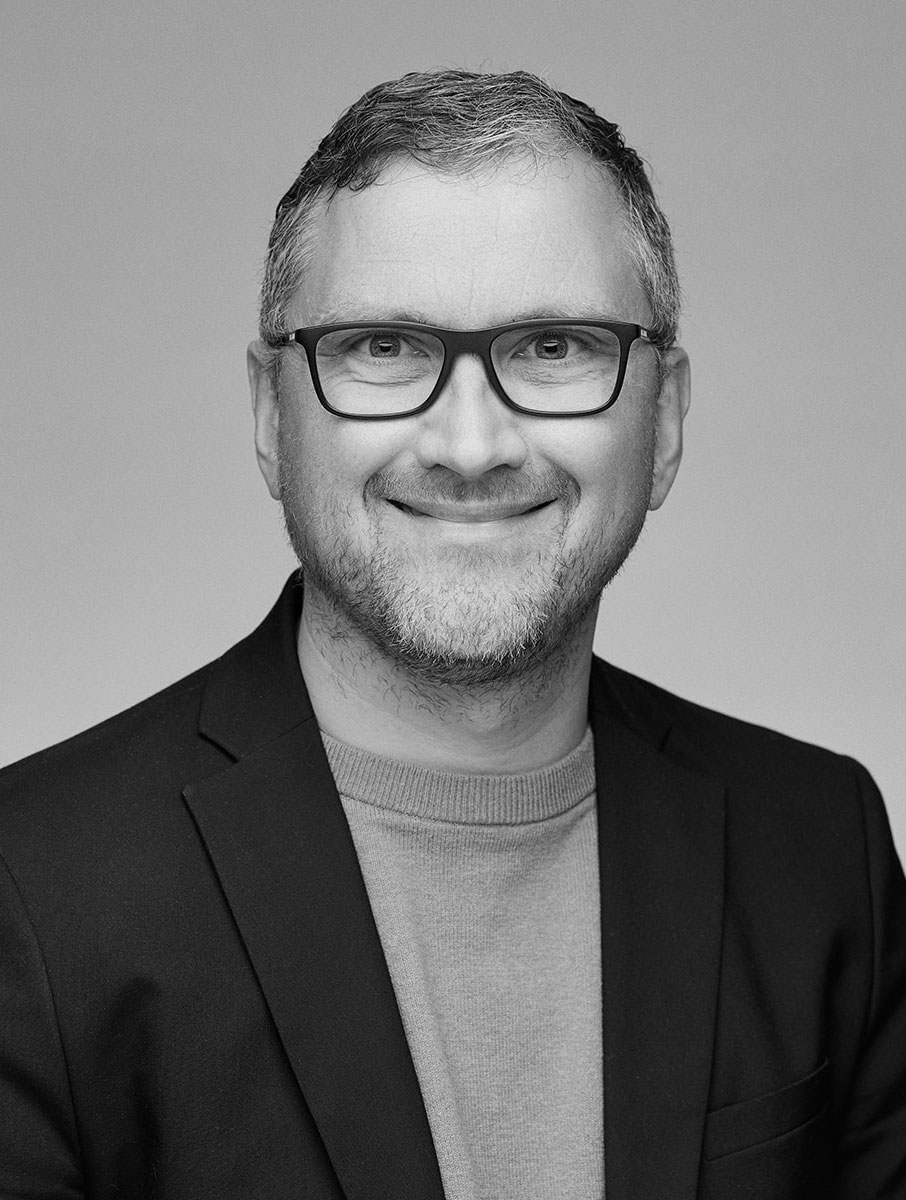
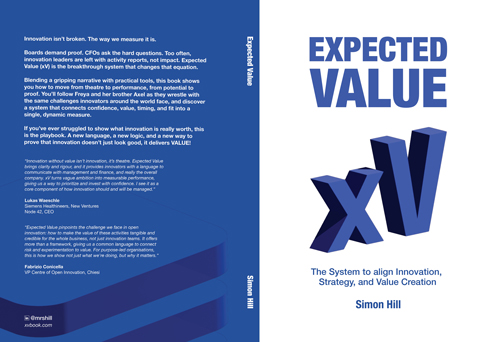
Simon Hill
CEO & Founder of Wazoku | Activating Human Intelligence | Building the systems that turn innovation into measurable value
The Surprising Way to Solve Hard Problems
Drawing on breakthrough stories from global innovation challenges, Simon challenges the assumption that the best solutions come from the most recognized experts. What fails to scale is not intelligence, but perspective.
BIO
CEO & Founder of Wazoku | Activating Human Intelligence | Building the systems that turn innovation into measurable value
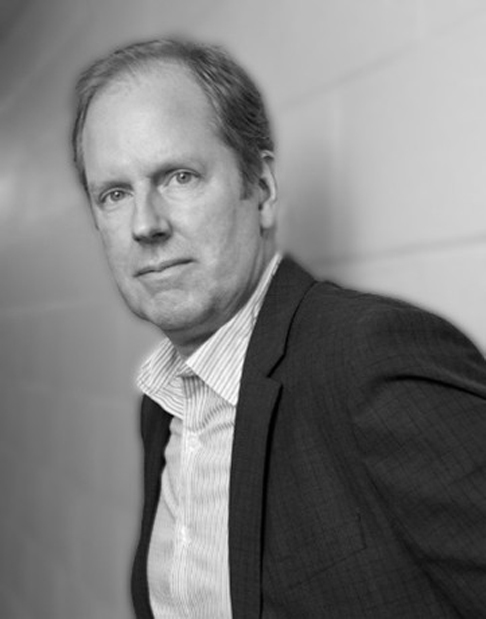
Warren Berger
Questionologist
"Every Breakthrough starts with a question"
How powerful questions actually lead to innovation. Einstein: “Give me an hour to solve a problem and I will spend 50 minutes framing the right question and a few minutes solving it.”
BIO
Innovation expert and questionologist WARREN BERGER has studied hundreds of the world’s foremost innovators, entrepreneurs, and creative thinkers to learn how they ask questions, generate original ideas, and solve problems. He is the author or co-author of more than 12 books on innovation, including the bestseller A MORE BEAUTIFUL QUESTION: The Power of Inquiry to Spark Breakthrough Ideas and the internationally acclaimed GLIMMER, named one of Businessweek’s Best Innovation and Design Books of the Year. Berger’s next book, THE OUTSIDE-IN YEAR, is about taking challenging questions out for walks in nature as a way to spark ideas. His writing appears in Fast Company, Harvard Business Review, Psychology Today, and The New York Times. He lives in New York.
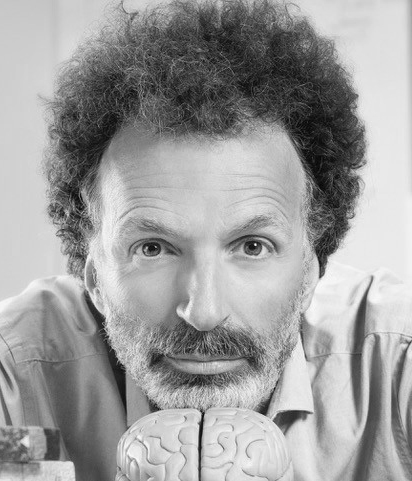
Moshe Bar
Why Smart People Stop Having Original Ideas
BIO
Moshe is a cognitive neuroscientist at Bar-Ilan University and Massachusetts Hospital. He was previously the head of the Gonda Multidisciplinary Brain Research Center at Bar-Ilan University and before that director of the Cognitive Neuroscience Laboratory at Harvard Medical School and Massachusetts General Hospital. His research focuses on various aspects of brain function, including memory, foresight, mental load, mind-wandering, mood, and creativity. He has published over 90 research articles, edited two scientific books and published the popular science book Mindwandering.
His writing to the public has appeared in numerous platforms, including the New York Times and the WSJ.
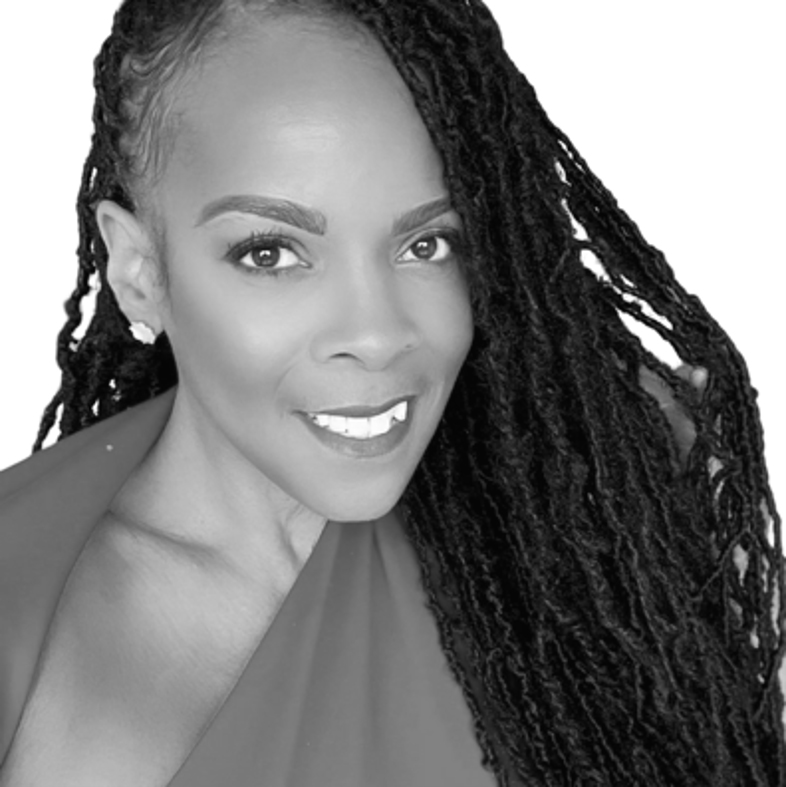
Wizdom Powell, PhD, MPH
Curiosity Is a Readiness Skill.
BIO
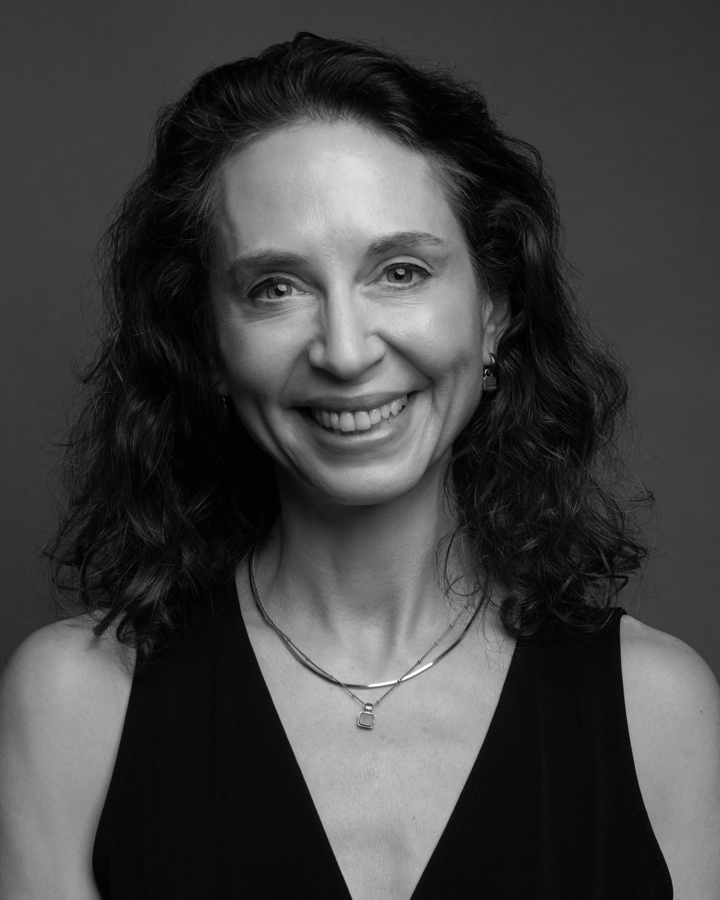
Jessica Sophia Sager
Co-Founder and CEO of All Our Kin | Trailblazing Innovator | Social Entrepreneur
What K-12 Education Can Learn From Child Care
We’ve spent decades trying to make child care more like school. But what if we’ve had it exactly backwards?
As AI transforms how we work, climate change reshapes the challenges we face, and knowledge becomes instantly accessible, success will depend less on what students know than on how they learn. The capacities that will matter most—creative thinking, resilience, adaptability, empathy, and curiosity—are the very ones early childhood educators cultivate every day. If we want to prepare children for success, then instead of making child care more like school, it’s time to make school more like child care.
BIO
Kevin Tzanetis
Musician | Trumpeter | Visionary Artist

BIO
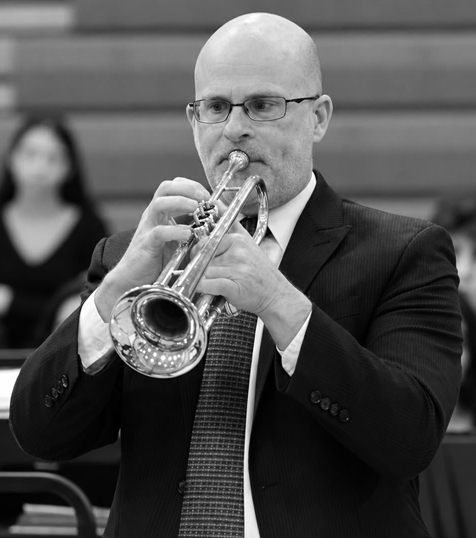
Jim Buchta
Public School Educator | Musician | Conversation Facilitator
BIO
Since 1989, Jim Buchta has led over 40,000 individual, small group, and large group music rehearsals. A graduate of Western Connecticut State University and the University of Bridgeport, he recently completed a two year term as the Connecticut Music Educators Association Western Region Director, guiding 250 music teachers through eight festivals.
Jim believes great leadership is at the heart of every great school: teachers lead the classroom, parents lead the home, and everyone improves when the leader improves. His approach with students is simple, you are capable, learning is fun, keep going, and his rule for himself is great leaders give away the credit when things go well and take responsibility when they don’t.